Choosing the Right Type of Water Well for Your Property
Water wells are more than just a way to get water—they are a long-term investment in your property’s reliability and independence. Whether you are living in a rural area, running a farm, or simply want a sustainable water supply, the type of well you choose can have a big impact on water quality, cost, and maintenance. Understanding the differences between drilled, driven, and dug wells is key to making an informed decision. According to Moving.com, more than 13 million households in the country use a well for their water supply, which shows just how important it is to select the right system for your needs. With careful planning and professional guidance, water well drilling can provide a dependable solution for years to come.
Understanding Your Property’s Water Needs and Conditions
Before jumping into water well drilling, it helps to slow down and think about what your property actually needs. Every piece of land is different. Soil type, water table depth, and how much water you plan to use all play a role in choosing the right well. For example, a household that only needs water for daily living will have very different requirements than a property supporting irrigation or livestock. This is where conversations with professionals really matter, because water well drilling is not a one-size-fits-all project.
Comparing Drilled, Driven, and Dug Well Options
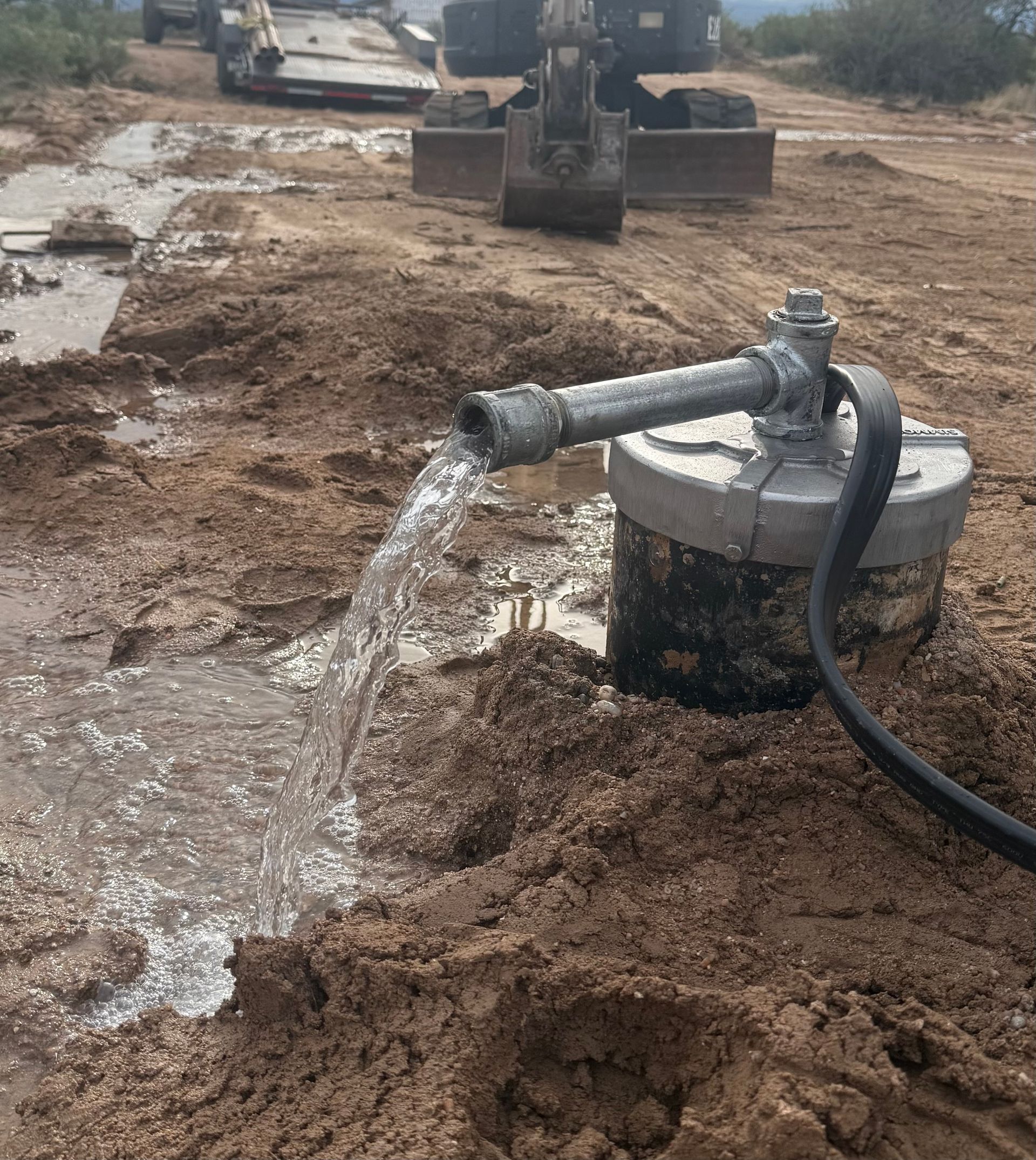
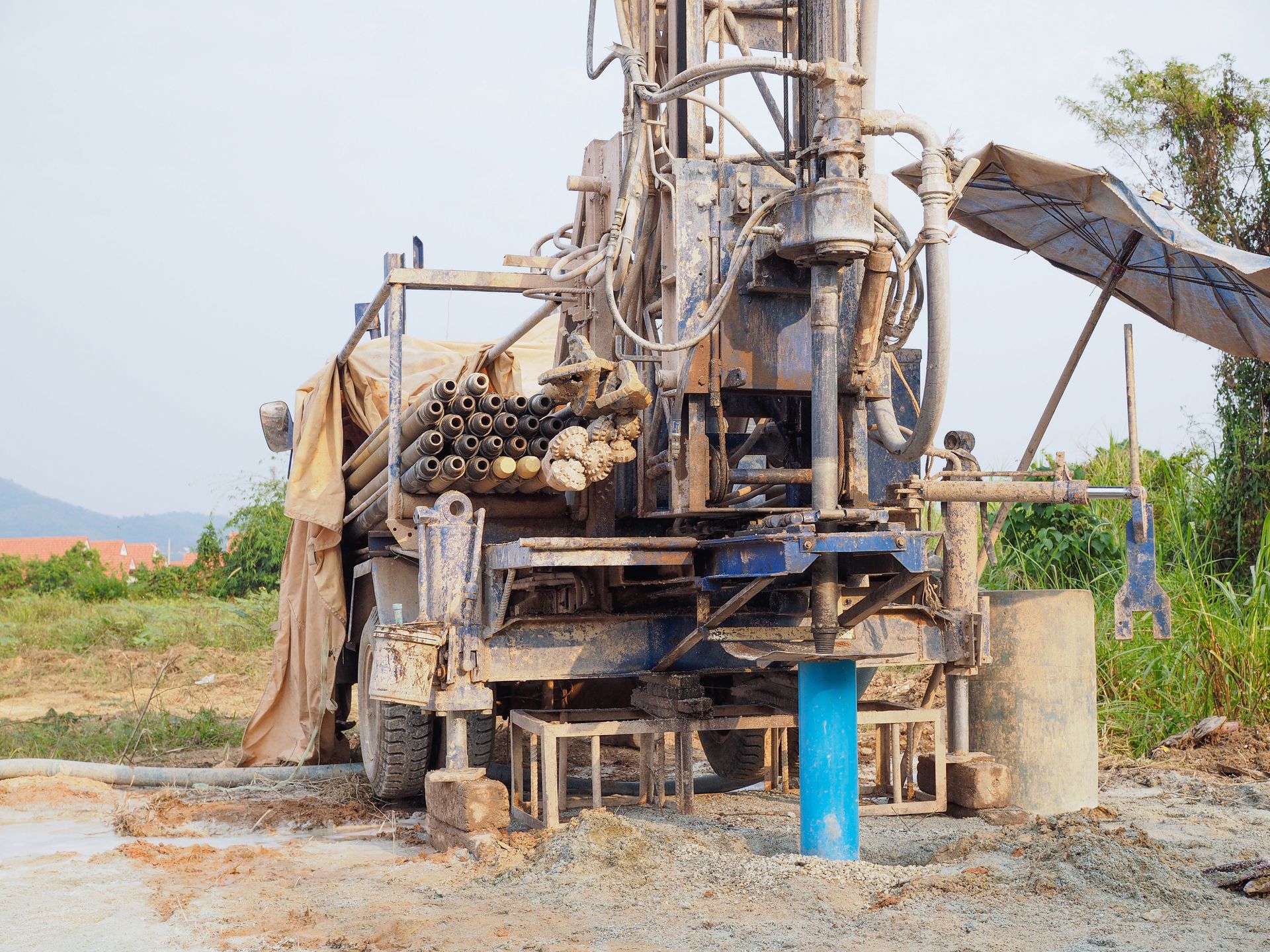
When people talk about water well drilling, they are often referring to drilled wells, and for good reason. Drilled wells can reach several hundred feet below the surface, tapping into deeper aquifers that are better protected from surface contaminants. They are built with steel or PVC casing and sealed with grout, which adds another layer of protection. This option is often chosen by homeowners who want long-term reliability and consistent water quality.
That said, drilled wells are not the only option. Driven wells and dug wells can still make sense in certain situations. Driven wells are usually less expensive and work well in areas with a high water table, though they are shallower and more vulnerable to contamination. Dug wells, often hand-excavated, are the most traditional option but require careful maintenance.
Making a Long-Term Investment in Water Reliability
Choosing the right well is not just about today, it is about how your water system will perform years from now. Proper water well drilling can protect your water source, reduce maintenance issues, and give you peace of mind knowing your supply is dependable. Many homeowners find comfort in knowing that once the right well is in place, routine upkeep is often minimal compared to other water systems.
At the end of the day, the best decisions come from clear information and honest conversations. A knowledgeable professional can walk you through the pros and cons, help you understand local regulations, and recommend the best approach for your land. If you are thinking about water well drilling and want guidance you can trust, reach out to Casner Drilling & Pump.

Share On: