
How Local Water Well Drilling Transforms Rural Property Values
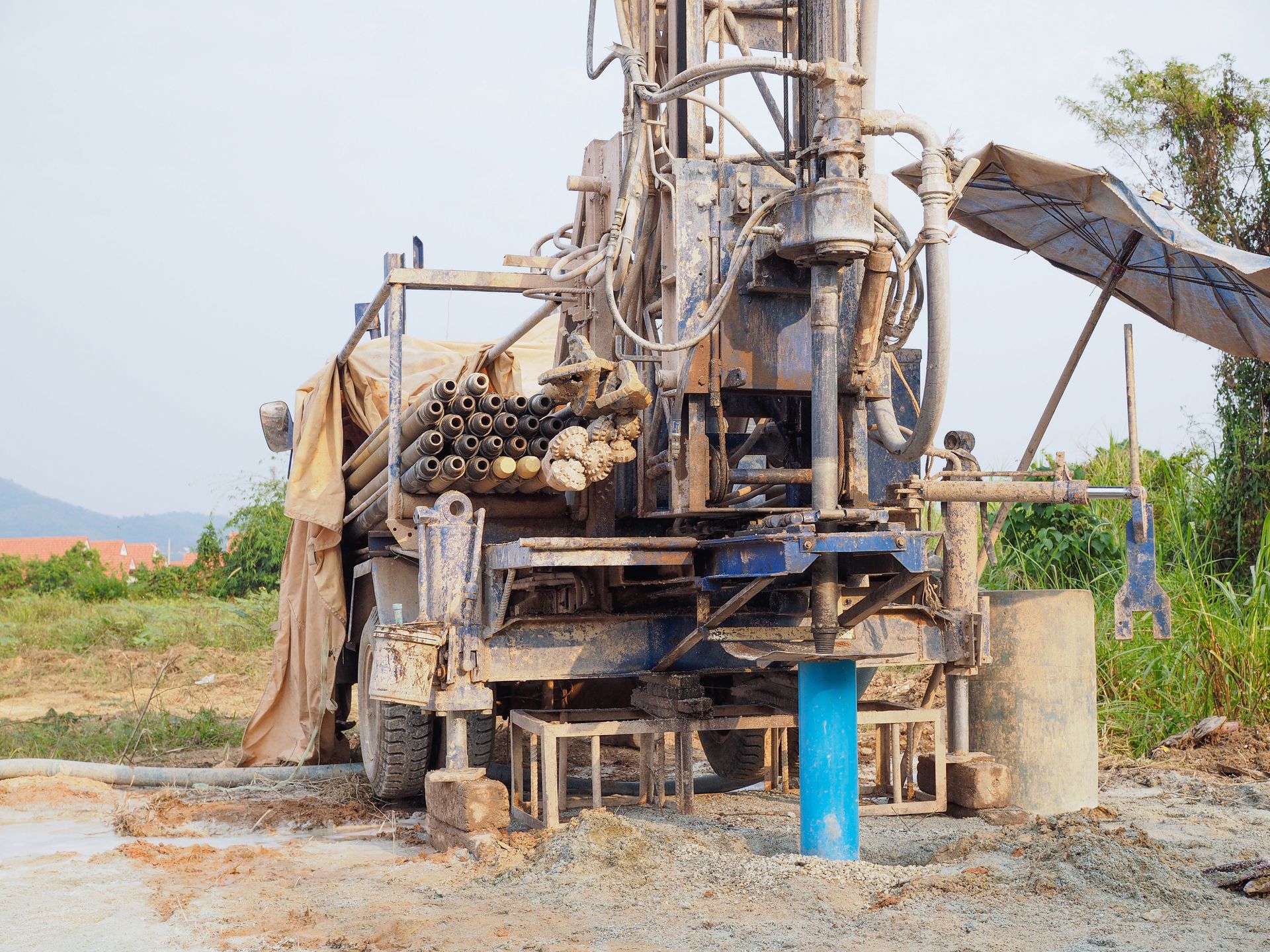
Rural property ownership comes with a unique set of opportunities and responsibilities that differ significantly from urban living. When managing acreage in non-metropolitan areas, establishing independent utility infrastructure becomes a primary concern for landowners. A dependable, private source of water is fundamental to turning open land into a thriving residential site, functional agricultural hub, or peaceful countryside retreat. Among the various improvements property owners can undertake, investing in local water well drilling stands out as one of the most impactful choices for long-term success. Having a direct, self-sustained line to clean groundwater changes how land can be utilized, maintained, and enjoyed across generations.
Without access to an established water source, vast stretches of land remain severely limited in potential. Relying on hauled water or distant surface sources often creates operational hurdles and restricts daily activities. By tapping into underlying aquifers, property owners gain total autonomy over their daily water supply. This level of independence changes the overall dynamic of a rural homestead, turning undeveloped acreage into an inviting and practical location. As rural communities continue to grow, the presence of a functioning private well becomes an indispensable asset for any parcel of land.
Establishing Reliable On-Site Water Access
Having a constant supply of groundwater right on your acreage changes daily life in fundamental ways. When land relies on municipal connections that may not reach remote regions, daily operations can become unpredictable. Choosing local water well drilling ensures that landowners have direct control over their water source without external interruptions or municipal restrictions. Clean groundwater pumped straight from local aquifers provides peace of mind for families, farmers, and property managers alike. According to the U.S. EPA, around 15% of the U.S. population, representing over 43 million people across more than 23 million households, rely on private wells for their supply of drinking water. This widespread reliance highlights how central private water infrastructure is for rural living. Having an independent well system removes dependence on outside infrastructure, allowing landowners to manage their usage freely based on their own personal needs and preferences. In addition to independence, on-site groundwater systems offer consistent pressure and quality tailored to specific property needs. Proper planning ensures that the well reaches dependable aquifers, delivering clean water for kitchen use, laundry, sanitation, and outdoor applications year-round. This foundational reliability transforms a property into a fully capable primary residency or commercial agricultural location.
Enhancing Agricultural and Gardening Potential
For rural properties where farming, livestock care, or large-scale gardening are central activities, water availability is essential. Plants, crops, and animals require significant volume throughout the year, especially during dry summer seasons. Utilizing local water well drilling allows property owners to support extensive agricultural projects without worrying about municipal water restrictions or conservation mandates during periods of low rainfall. Having continuous access to groundwater enables property owners to cultivate expansive vegetable gardens, plant fruit orchards, and maintain lush pastures for grazing animals. Irrigating crops directly from a private well ensures that plants receive necessary moisture on a predictable schedule, leading to healthier yields and vibrant greenery. Animals also benefit from a clean, consistent drinking supply that keeps them healthy across all seasons. Furthermore, robust agricultural capabilities increase the overall functional utility of land. Whether managing a small homestead garden or operating a farm, having an independent water source empowers property owners to maximize land use. This transforms idle pastures into productive landscapes that can sustain ongoing agricultural pursuits for decades to come.
Expanding Development and Construction Opportunities
Undeveloped land often faces significant restrictions regarding what can be constructed on the parcel. Building permits, residential zoning approvals, and parcel division permissions frequently require proof of a stable water source before any construction begins. Planning for local water well drilling opens up immediate pathways for building homes, barns, workshops, and guest houses on rural parcels. Without an established water supply, constructing secondary structures or outbuildings can become impractical or outright impossible. Establishing a well allows owners to extend water lines across their acreage, supporting outdoor kitchens, equestrian facilities, workshop sanitation, and irrigation systems for distant fields. This structural flexibility makes the entire acreage usable rather than restricting activity to a small corner of the property. Additionally, properties with active wells are far more versatile for future land use changes. If a property owner decides to subdivide land, build additional family residences, or establish a home-based rural enterprise, having established groundwater infrastructure makes those transitions smooth and efficient. It turns open space into prime, buildable real estate ready for any vision.
Promoting Environmental Sustainability and Self-Sufficiency
Self-sufficiency is a primary motivation for many individuals choosing to live in rural environments. Tapping directly into subterranean aquifers reduces reliance on complex, energy-intensive municipal water distribution networks. Pursuing local water well drilling offers a direct path toward ecological stewardship and sustainable property management. Groundwater stored deep within aquifers undergoes natural filtration through layers of rock, sand, and gravel. This natural process yields clean, fresh water that requires minimal artificial chemical treatment compared to surface water treated in municipal plants. By drawing water locally and using modern filtration systems on-site, property owners can enjoy high-quality water directly from their land. Furthermore, maintaining an independent water supply encourages mindful resource management. Landowners who manage their own well systems gain a deeper appreciation for local hydrology and conservation. They can implement efficient irrigation practices and groundwater preservation strategies that protect local natural resources while maintaining a thriving property ecosystem.
Securing Long-Term Resource Stability
Water security is an increasingly important factor for rural landowners across every region. Changing climate patterns, periodic droughts, and strain on public utilities can make municipal water access uncertain or subject to usage limits. Implementing local water well drilling creates a dependable buffer against external water supply disruptions. A properly installed and maintained groundwater well reaches deep, protected aquifers that remain stable even during dry spells. This resilience ensures that household activities, livestock care, and landscape maintenance can continue uninterrupted during hot summer months or prolonged dry weather. Having this reliability provides tremendous peace of mind for families living far from urban services. Long-term resource stability also protects the structural and operational vitality of the land itself. Trees, crops, and pastures remain healthy, preventing soil erosion and maintaining the natural beauty of the landscape. Having a secure water source ensures that the property remains viable, livable, and functional through any seasonal weather variations.
Improving Property Utility and Daily Comfort
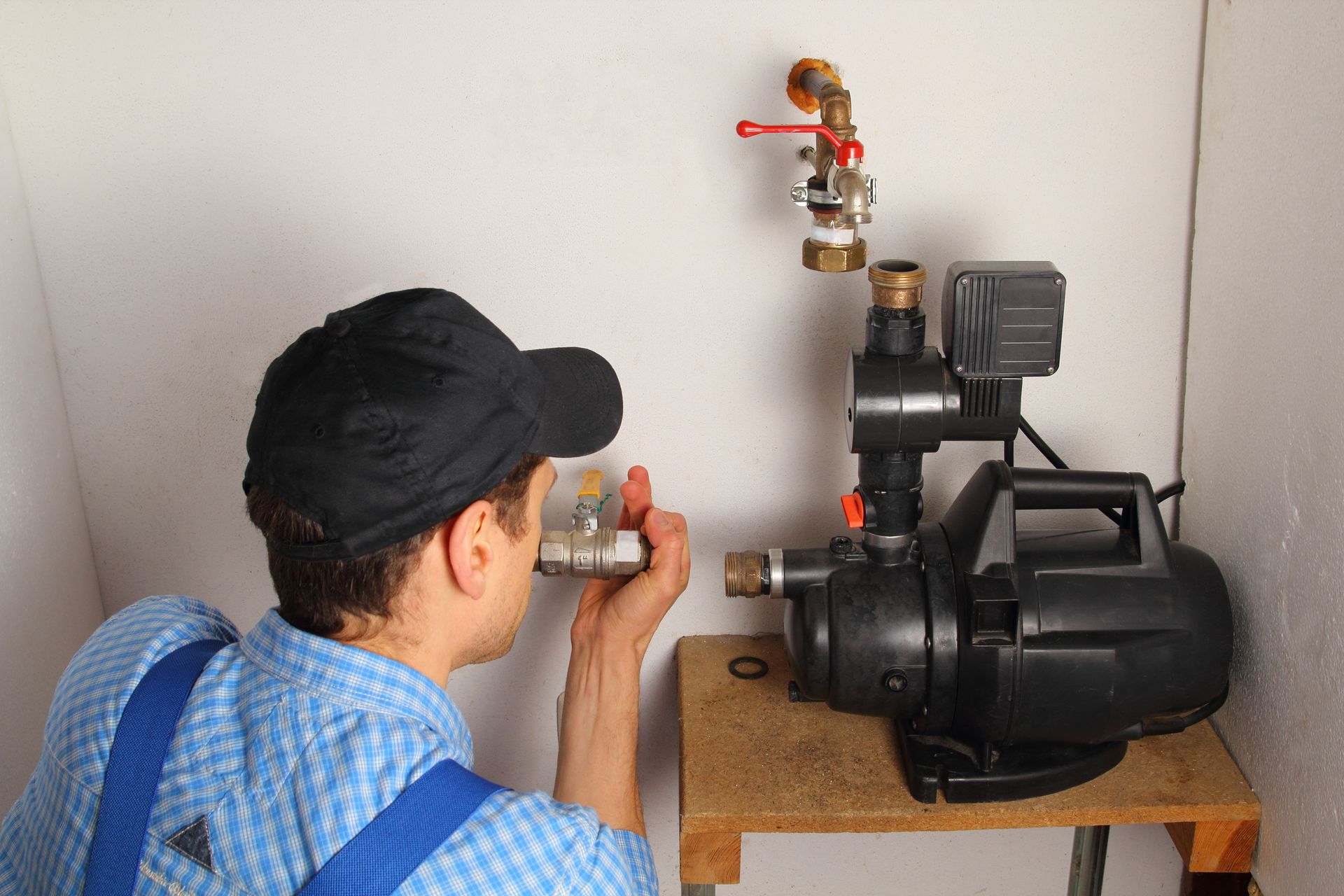
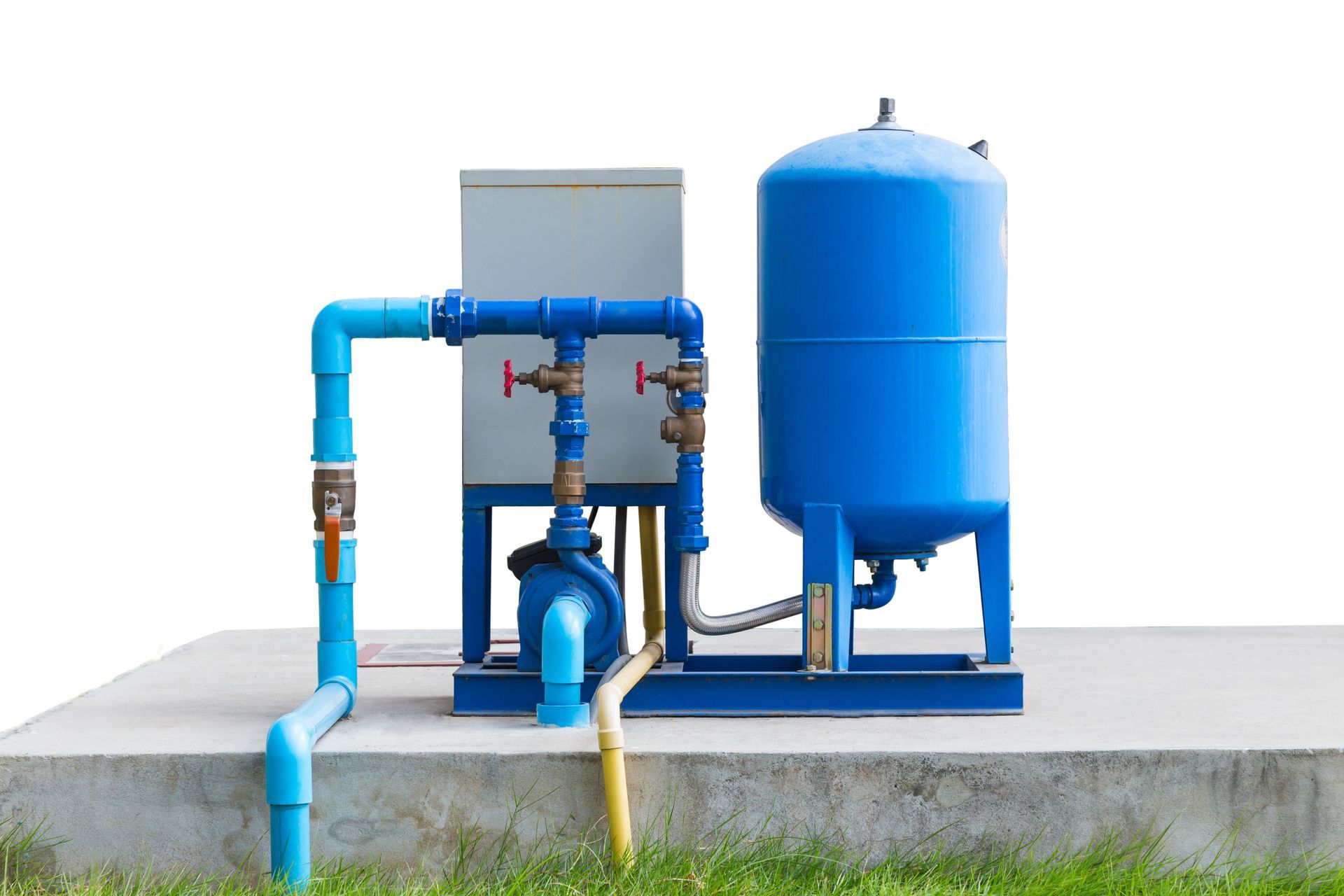
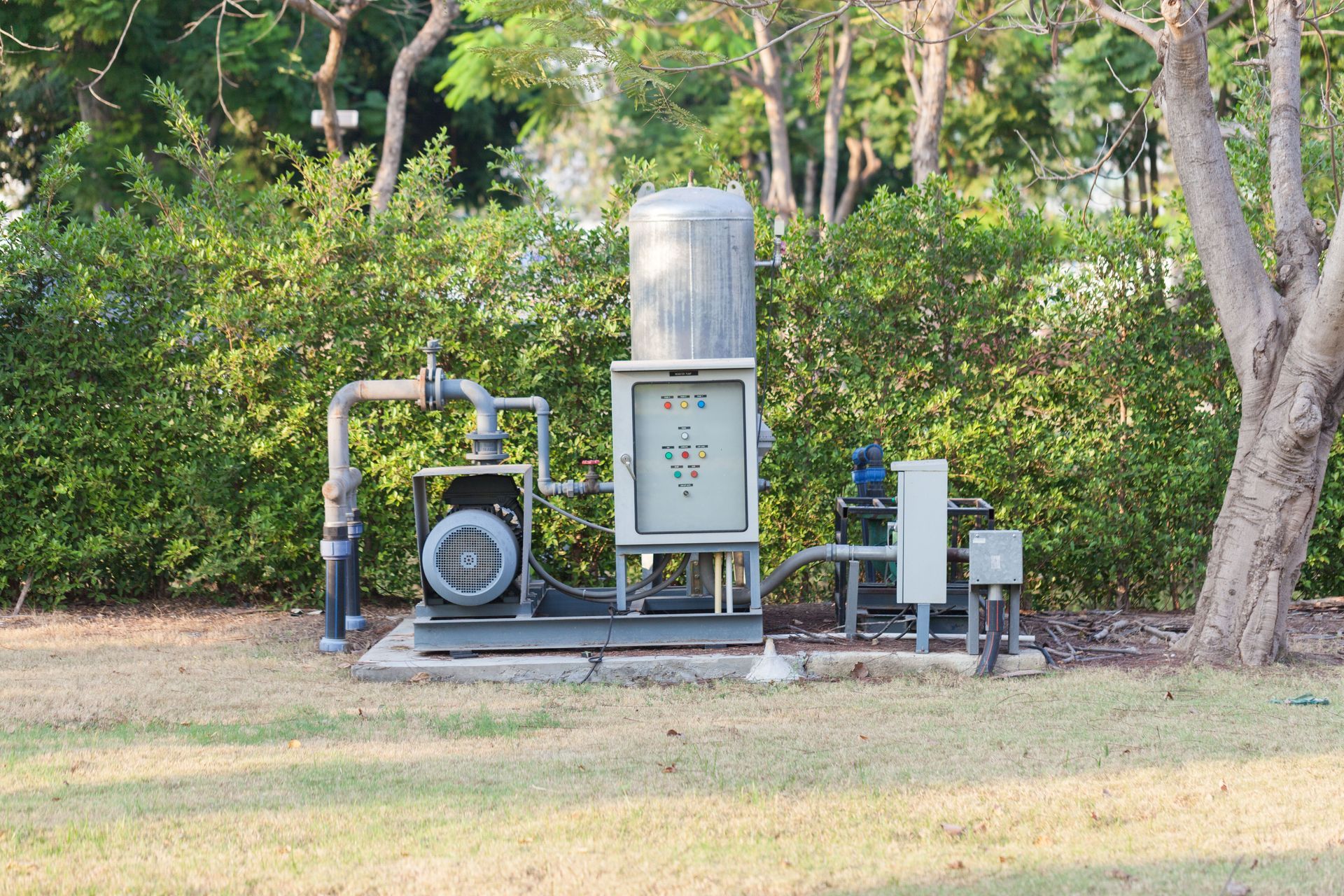
Beyond agricultural and structural benefits, having an abundant water supply enhances daily comfort and overall quality of life on rural acreage. High water flow allows for simultaneous household water use, extensive outdoor cleaning, swimming pool management, and decorative water features like ponds or fountains. These features elevate the living experience for everyone on the property. Properties with reliable well systems eliminate common water pressure issues often experienced on long rural utility lines. Modern well pumps and pressure tanks deliver steady flow to every faucet, shower, and spigot across the entire homestead. This consistent performance adds luxury and ease to everyday rural living.
Transforming rural land into a fully functional, self-sufficient, and comfortable homestead starts with establishing a secure water foundation. From supporting vibrant gardens and livestock to enabling new home construction and providing daily peace of mind, a private well system changes everything about how acreage is utilized. By opting for local water well drilling, property owners take full control over their water future and unlock the true potential of their land. If you are ready to transform your rural property with a dependable groundwater system, contact us at Casner Drilling & Pump today. We will help you establish a reliable, high-performing water well tailored to your specific land and lifestyle needs.
Share On: