Why You Should Contact Local Water Well Drilling Professionals for a Reliable Water Supply
Access to a consistent and clean water supply is essential for residential properties, agricultural operations, and businesses. Whether installing a new well or upgrading an existing system, working with local water well drilling professionals offers several advantages. Their knowledge of regional geology, specialized equipment, and applicable regulations helps property owners make informed decisions about their water supply. Professional planning also reduces the likelihood of costly installation problems and supports long-term well performance. Experienced contractors understand the geographical and environmental conditions that influence groundwater availability. They can assess individual properties, recommend appropriate drilling methods, and develop solutions suited to specific water requirements. Understanding the benefits of professional well installation helps property owners prepare for a successful project.
Understanding the Role of Water Well Drilling Professionals
Water well drilling requires technical knowledge, practical experience, and an understanding of underground geological formations. Professionals evaluate soil composition, groundwater conditions, and potential drilling obstacles before beginning construction. Their expertise helps determine appropriate drilling depths, well placement, and equipment requirements. These considerations are especially important when accessing groundwater in areas with challenging terrain or fluctuating water tables.
Working with experienced local water well drilling specialists also provides access to knowledge about nearby wells and regional groundwater patterns. Contractors can use available geological records and previous drilling experience to identify potential challenges. Although groundwater availability cannot be guaranteed, careful planning improves the likelihood of a productive installation.
Evaluating Local Geological Conditions
Geological conditions significantly influence the success of a water well installation. Different soil compositions, rock formations, and aquifer characteristics require different drilling techniques. Contractors familiar with regional geology can recommend suitable equipment and identify locations that offer reasonable opportunities for groundwater access. Their understanding of local conditions also helps minimize unnecessary drilling expenses.
Before construction, professionals may review geological surveys, nearby well records, and property characteristics. These resources provide valuable information about potential drilling depths and expected groundwater conditions. A thorough evaluation helps property owners understand the possibilities and limitations of their land before committing to installation.
Using Specialized Drilling Equipment
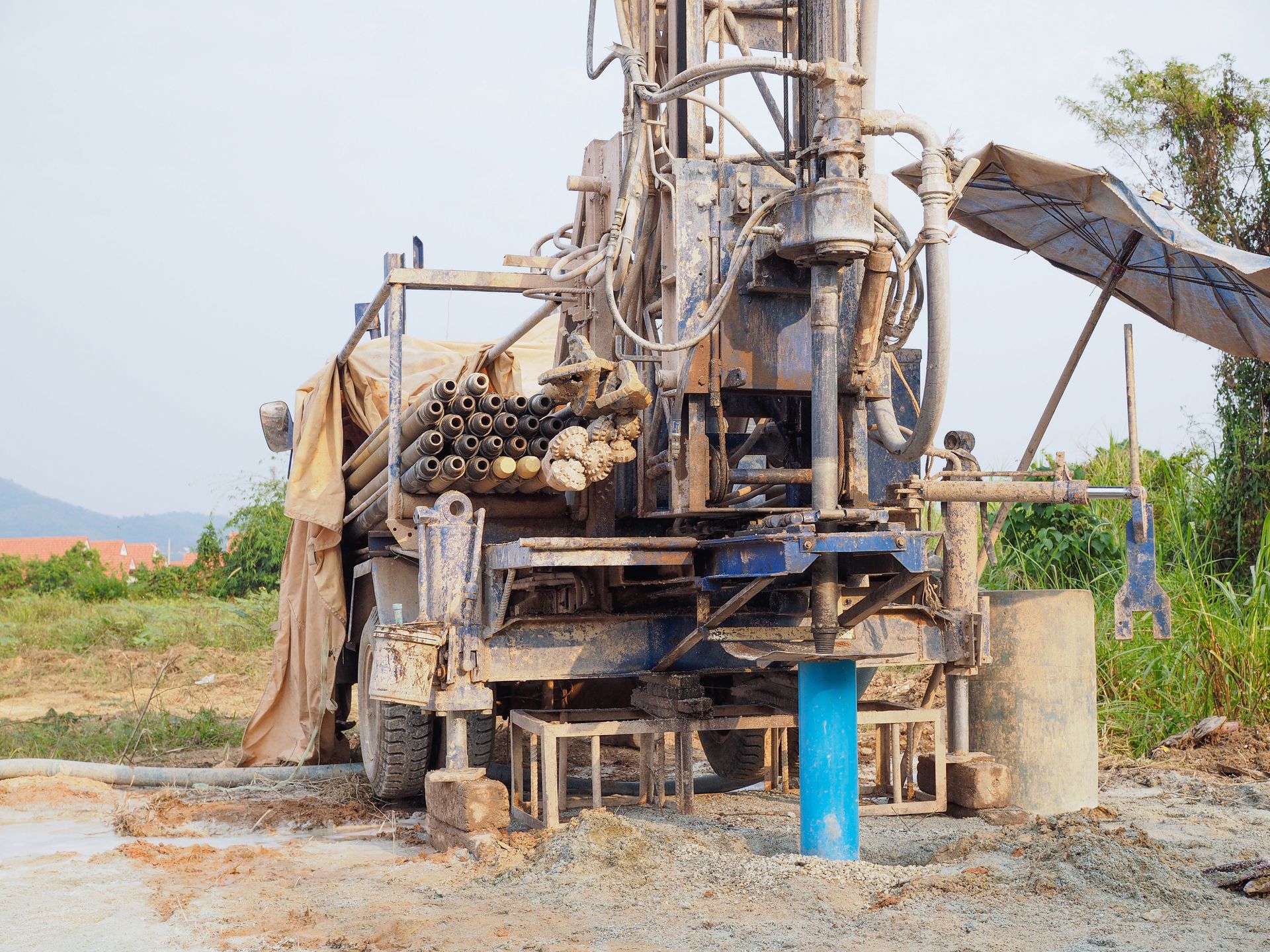
Professional well installation requires machinery designed to penetrate different underground materials safely and efficiently. Experienced contractors have access to drilling rigs, casing equipment, and specialized tools that accommodate varying soil conditions and drilling depths. Selecting appropriate machinery reduces unnecessary complications and supports accurate well construction.
Equipment selection is particularly important when drilling through dense rock formations or unstable soil. Professionals adjust their techniques according to the conditions encountered during construction. Specialized machinery also helps contractors protect surrounding property features and maintain appropriate safety procedures throughout the project.
Meeting Regulatory and Safety Requirements
Water well construction is subject to regulations that vary by location. Depending on the jurisdiction, property owners may need drilling permits, minimum setback distances, construction inspections, or specific water testing procedures. Experienced local water well drilling contractors understand applicable requirements and can help customers navigate the permitting process.
Safety considerations extend beyond regulatory compliance. Contractors assess underground utilities, equipment access, and potential environmental hazards before drilling begins. Proper casing installation and sanitary sealing help protect groundwater from surface contamination. Following established construction procedures supports both worker safety and the long-term integrity of the completed well.
Establishing a Reliable Water Supply
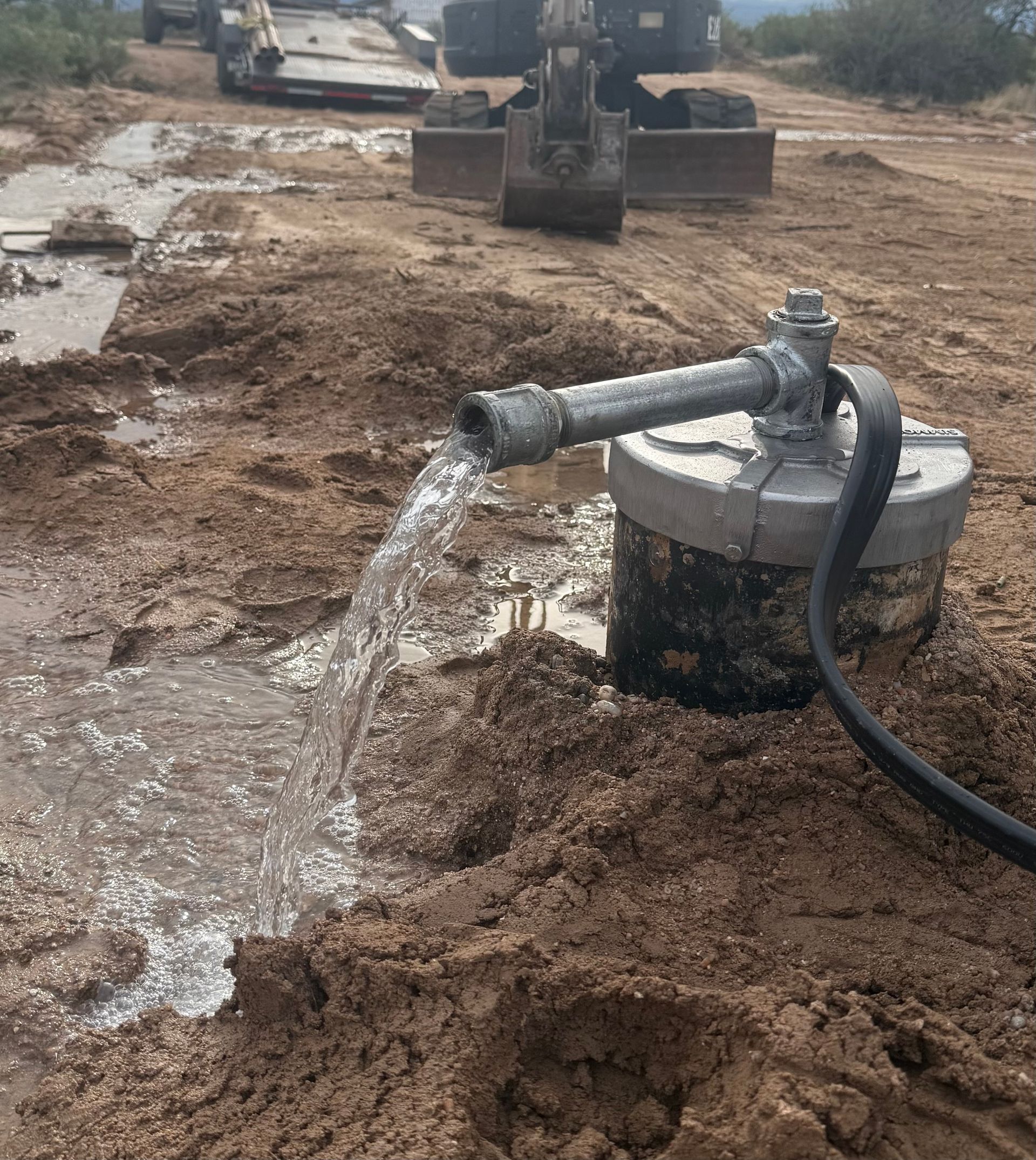
A properly constructed water well can provide a dependable source of water for households, livestock, irrigation, and commercial activities. However, successful installation requires careful consideration of groundwater availability and anticipated water consumption. Professionals evaluate these factors when recommending well dimensions, pump capacity, and supporting equipment.
After drilling, contractors may conduct yield testing to evaluate how much water the well can produce. These results help determine whether the system can accommodate expected demand. Property owners should also understand that seasonal groundwater fluctuations and extended drought conditions can influence well performance over time.
Protecting Water Quality
Water quality is an important consideration when establishing a private groundwater supply. Proper well construction helps reduce opportunities for surface contaminants to enter the system. Contractors select suitable casing materials, install sanitary seals, and recommend appropriate wellhead protection measures based on property conditions.
Professional local water well drilling services can also help property owners understand the importance of water testing. Laboratory analysis can identify bacteria, nitrates, minerals, and other substances that may affect water suitability. Depending on the results, additional filtration or treatment equipment may be necessary. Regular testing remains important because groundwater quality can change after installation.
Managing Installation and Operating Costs
Installing a private water well involves expenses associated with drilling, materials, pumping equipment, permits, and testing. Actual costs depend on geological conditions, drilling depth, property accessibility, and the complexity of the installation. Obtaining a detailed estimate helps property owners understand anticipated expenses and prepare for potential complications.
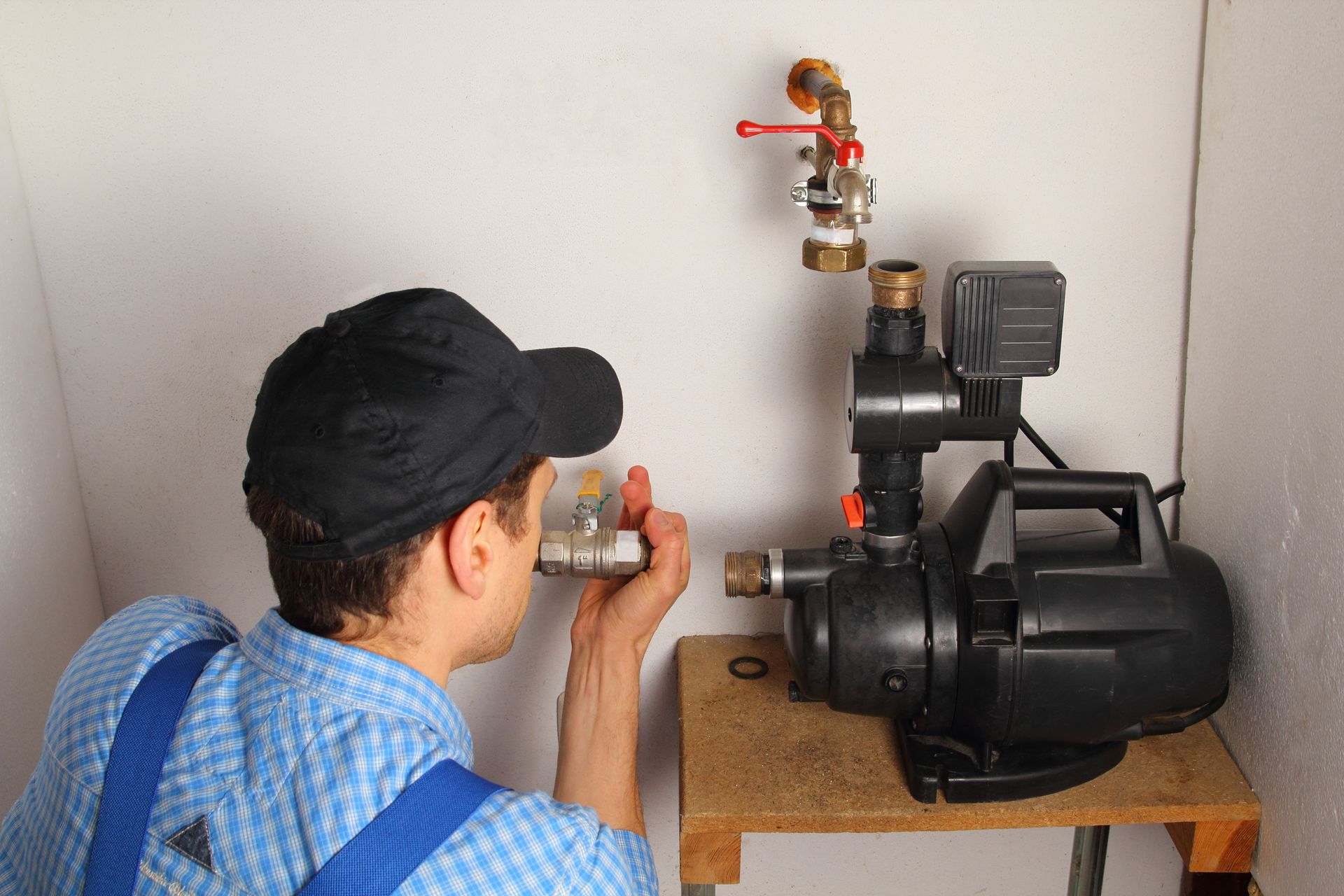
Professional planning can also contribute to long-term cost management. Properly sized pumps, appropriate pressure systems, and routine maintenance help reduce unnecessary equipment wear. Although private wells eliminate certain municipal water charges, owners remain responsible for electricity, testing, maintenance, and eventual equipment replacement.
Assessing Property Water Requirements
Before installing a well, property owners should evaluate their anticipated water consumption. Residential requirements generally include bathing, laundry, cooking, cleaning, and outdoor watering. Agricultural properties may require additional capacity for irrigation, livestock, and equipment cleaning. Understanding these demands helps contractors recommend an appropriately sized system.
Professionals offering local water well drilling can assess property characteristics alongside expected consumption. They may consider future construction, expanded agricultural activities, or additional household occupants when developing recommendations. Planning for potential changes helps reduce the likelihood of installing a system that cannot accommodate future requirements.
Considering Environmental and Seasonal Factors
Groundwater resources are influenced by precipitation, geological formations, surrounding land use, and regional water consumption. Responsible well planning considers these environmental factors to reduce unnecessary impacts on nearby water sources. Appropriate construction techniques also help prevent contamination and minimize disturbance to surrounding property.
Seasonal changes can affect groundwater levels and well productivity. During extended dry periods, some wells may experience reduced output. Contractors can recommend conservation practices, appropriate pump settings, and additional storage capacity when necessary. Understanding these considerations helps property owners establish realistic expectations about their water supply.
Choosing a Qualified Drilling Contractor
Selecting an experienced contractor is an important step toward successful well installation. Property owners should research local companies, review customer feedback, and request information about relevant licenses, insurance, and professional experience. Recommendations from neighboring property owners may provide additional insight into a contractor's familiarity with regional groundwater conditions.
When comparing local water well drilling providers, request written estimates outlining anticipated drilling costs, materials, equipment, and additional services. Ask about permitting responsibilities, project timelines, water testing, and warranty coverage. Clear communication before construction helps prevent misunderstandings and establishes realistic expectations for the installation process.
Regular maintenance helps preserve well performance and identify developing problems before they require extensive repairs. Property owners should monitor water pressure, pump operation, and noticeable changes in water appearance or odor. Periodic professional inspections can identify worn components, damaged seals, and other conditions that may affect system reliability. Establishing an ongoing relationship with local water well drilling professionals provides access to maintenance recommendations and technical assistance when problems arise. Contractors can help evaluate declining water production, troubleshoot equipment failures, and recommend appropriate repairs. With proper construction, routine testing, and preventive maintenance, a private water well can remain a valuable source of water for many years. Contact our team at Casner Drilling & Pump today and learn more about our well drilling services.
Share On: