Why You Should Avoid DIY Water Well Pump Repair
Do-it-yourself home repair projects have become increasingly popular as homeowners search for ways to save money and handle maintenance independently. Online tutorials and step-by-step videos often make complicated repairs appear simple and manageable. While some household projects are safe for DIY efforts, water well systems are far more complex than many people realize. Attempting water well pump repair without proper training can create serious safety issues, damage expensive equipment, and even compromise household water quality.
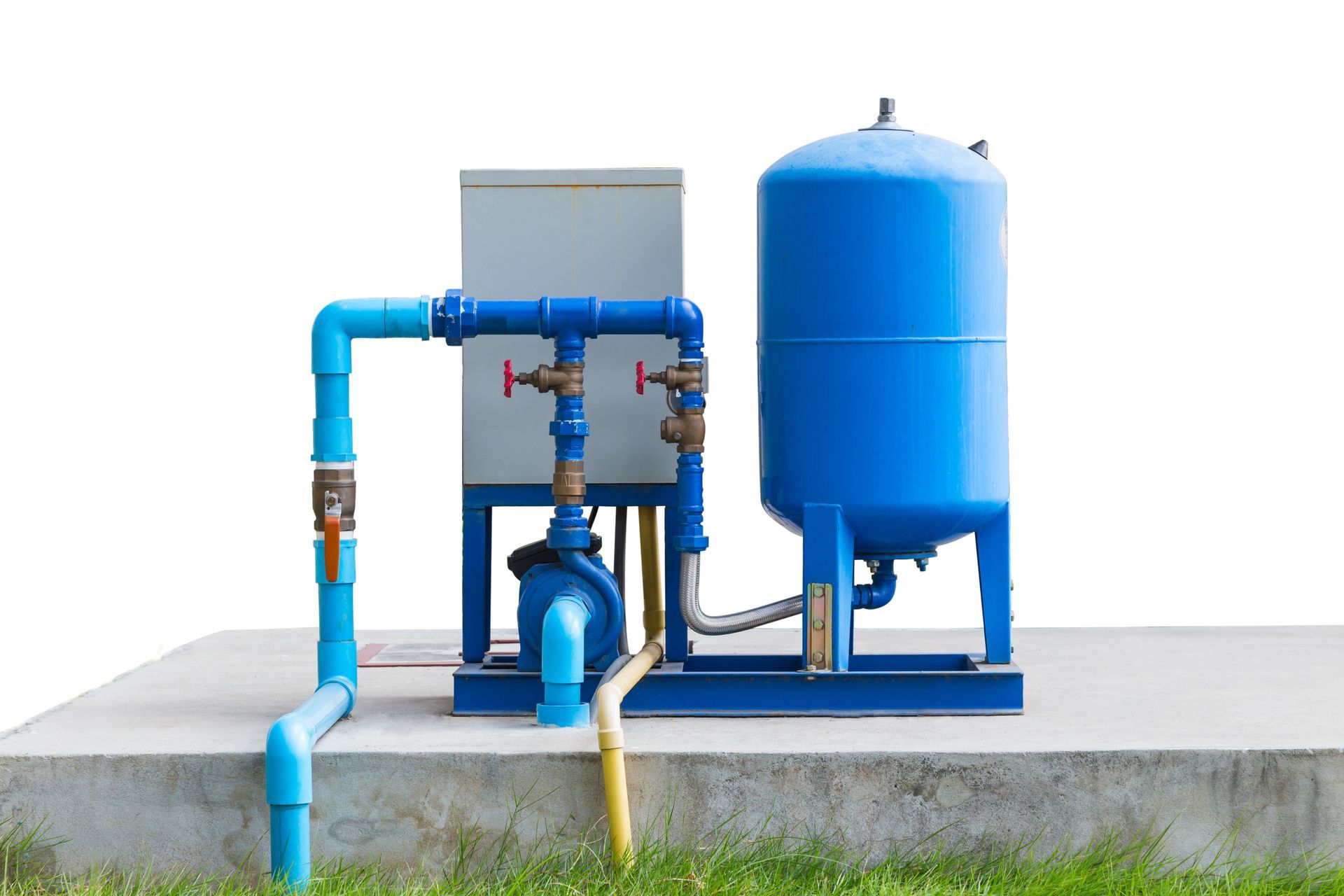
A water well system relies on multiple interconnected components that must function together correctly. Pumps, pressure tanks, electrical wiring, piping, and water filtration systems all play important roles in delivering clean water to a home. Because these systems operate underground and often involve high-voltage electricity, mistakes can become costly very quickly.
Evaluating the Real Cost of DIY Water Well Pump Repair
Many homeowners consider DIY water well pump repair because they hope to reduce maintenance expenses. At first glance, handling repairs personally may seem less expensive than hiring a professional service technician. However, the true costs of amateur repairs often extend beyond the price of replacement parts.
Diagnosing a well pump problem correctly requires specialized equipment and technical expertise. A homeowner may incorrectly assume the pump itself has failed when the actual issue involves the pressure switch, electrical wiring, or pressure tank. Purchasing unnecessary parts can quickly eliminate any expected savings.
In many cases, homeowners attempting water well pump repair must also purchase specialized tools they may never use again. Pulling equipment, voltage testers, pipe tools, and safety gear can add significant costs to the project. Additionally, mistakes during installation may damage components that were previously functioning properly.
Improper repairs frequently result in repeat failures that require professional intervention anyway. What could have been a straightforward service call may become a much larger repair involving damaged pipes, burned-out motors, or contaminated systems. In some situations, failed DIY attempts may even require complete pump replacement.
The depth of many well systems also contributes to repair complexity. According to This Old House, submersible pumps can be used in wells up to 300 feet deep. Retrieving and reinstalling equipment at those depths requires specialized knowledge and handling techniques that most homeowners simply do not possess.
Understanding the Safety Risks of DIY Water Well Pump Repair
Water well systems involve multiple safety hazards that should never be underestimated. One of the most serious dangers associated with DIY water well pump repair is exposure to high-voltage electrical systems. Well pumps rely on electricity to operate, and improper handling of wiring can result in severe injury or electrocution.
Water and electricity create an especially dangerous combination. Homeowners without electrical training may not recognize hidden hazards within the system or understand proper lockout procedures before beginning repairs. Even shutting off the power at the breaker may not eliminate all risks if the system is improperly wired or damaged.
Heavy equipment also presents significant physical dangers. Submersible pumps and connected piping can weigh hundreds of pounds depending on the depth of the well. Attempting to lift or remove these components without proper equipment can lead to serious injuries, including muscle strains, falls, or crushed fingers.
Confined workspaces and slippery conditions around well sites further increase accident risks. Some repair attempts require homeowners to work in damp or muddy areas while handling tools and electrical equipment simultaneously. Without proper training and safety procedures, these conditions can quickly become hazardous.
Protecting Household Water Quality During Repairs
Clean water is one of the most important benefits of a properly functioning well system. Unfortunately, DIY water well pump repair can place household water quality at risk if repairs are not performed correctly.
A well system must remain properly sealed to prevent contaminants from entering the water supply. During amateur repairs, homeowners may accidentally expose the well to dirt, bacteria, chemicals, or surface runoff. Even a small amount of contamination can create serious health concerns for everyone using the water.
Improper handling of pipes, fittings, or pump components can introduce bacteria into the system. If sanitation procedures are not followed carefully, microorganisms may spread throughout household plumbing. Contaminated well water can lead to gastrointestinal illness and other health problems.
Homeowners attempting water well pump repair may also use incorrect replacement materials that are not approved for potable water systems. Certain materials can leach chemicals into the water supply or deteriorate prematurely, reducing water quality over time.
Another concern involves sediment disturbance during repairs. Pulling or reinstalling equipment incorrectly can stir up debris within the well, leading to cloudy water and clogged plumbing fixtures. Sediment buildup may also damage household appliances connected to the water supply.
Preserving Long-Term System Performance and Efficiency
A properly maintained well system can provide reliable service for many years. However, poor repair practices can significantly reduce system lifespan and efficiency. DIY water well pump repair often focuses only on resolving the immediate problem without addressing the underlying causes of system failure.
For example, a pump that cycles on and off too frequently may indicate pressure tank problems, leaks, or electrical issues. Simply replacing the pump without identifying the root cause may place unnecessary strain on the new equipment. Over time, this can lead to repeated breakdowns and shortened pump life.
Improper installation techniques can also affect overall system efficiency. Incorrect pipe sizing, loose electrical connections, or poorly calibrated pressure switches may force the pump to work harder than necessary. Increased strain on the system can result in higher energy consumption and accelerated wear on components.
Another common issue during DIY water well pump repair involves improper alignment or support of pipes and fittings. Misaligned components can create vibration, leaks, and pressure inconsistencies throughout the system. These problems may develop gradually, making them difficult for homeowners to detect until major damage occurs.
Routine maintenance performed by professionals often identifies minor concerns before they become serious failures. Experienced technicians can recognize warning signs such as declining water pressure, unusual cycling patterns, or motor strain. Early intervention helps extend equipment lifespan and reduce long-term repair costs.
Navigating Legal and Regulatory Concerns
Many homeowners do not realize that water well systems are often subject to local and state regulations. DIY water well pump repair may unintentionally violate these requirements, creating legal complications and potential financial penalties.
In some areas, only licensed professionals are authorized to perform certain types of well repairs or modifications. Regulations exist to protect public health, groundwater quality, and overall system safety. Unauthorized repairs may result in failed inspections or fines from local authorities.
Improper repairs can also create problems during property sales. Home inspections frequently include evaluations of water well systems, and evidence of unlicensed or substandard work may raise concerns for buyers. Homeowners may be required to correct deficiencies before completing a sale.
Insurance coverage is another important consideration. Some homeowner insurance policies may deny claims related to damage caused by improper DIY water well pump repair. If an amateur repair leads to flooding, electrical damage, or contamination, the homeowner could be responsible for the full cost of repairs.
Environmental regulations may also apply if repairs affect groundwater protection standards. Improper sealing, contamination, or disposal of damaged components can create environmental concerns that result in additional liabilities.
Choosing Professional Water Well Pump Repair Services
Water well systems are highly specialized and require expert care to function safely and efficiently. Although DIY repairs may appear attractive from a cost perspective, the risks often outweigh any potential savings. Safety hazards, water contamination, system damage, and legal concerns can all result from improper repair attempts.
Professional
water well pump repair services provide the expertise needed to diagnose issues accurately, protect water quality, and preserve long-term system performance. Experienced technicians follow proper safety procedures, use approved materials, and ensure repairs comply with local regulations.
Investing in professional services helps homeowners avoid unnecessary complications while maintaining reliable access to clean water. When it comes to protecting a home’s water supply, professional water well pump repair remains the safest and most dependable solution. If you need well repairs or maintenance, reach out to the team at Casner Drilling & Pump today!
Share On: